


Okay, I'll admit it. Reading Eric Zorn's column in the Chicago Tribune is time well spent but it doesn't always make me giddy. Yesterday, 11/20/07, his column "Father knows high-tech hype when he sees it," pleased me. Not because Eric had computer trouble - I take no joy in that for anyone, but because for once, we read something honest, and negative, about the Mac "experience" and the new Leopard operating system.
I consult only on PC's and 2007 is the first year I've heard of so many PC users bailing out and moving to a Mac. Then, they often call and have the same problems with the Mac they had with the PC.... can't print, can't open an email attachment, can't find their files. My premise all along, is that you can have the same problems with a new computer as an old one. Switching doesn't always make it better.
You can read Eric Zorn's article for free on the Chicago Tribune web site. Sign up if you're not already a reader there. Basically, he purchased the new Leopard operating system, only to find the upgrade would wipe out his hard drive -- all data would have to be backed up. So he took it to the Apple store, and paid them to do the upgrade. They also found some faulty memory and restored some of his files but not all. Not a completely happy experience for someone enticed by the promise of an upgrade that costs much more than expected.
There is no panacea with computer, nor with anything else that requires effort. I see the same experience with people who upgrade to Vista on a PC, thinking it will be better. Sadly, it's better for Microsoft, but doesn't do much to enhance a user's productivity. And isn't that why we use technology?
Let me know what you think,
Helen Gallagher
Wednesday, November 21, 2007

Friday, November 16, 2007
Over 100 Million Blogs!
A recent Chicago Tribune article states there are now 109.2 million blogs. That's one for every 151 people, or one for every 23 people with internet access. Gosh - yes, you do need internet access to view blogs.
No one has time for that much reading, and apparently a lot of blog owners don't have time to write them either. Statistics show over 99 percent of blogs are static that means no updates and no visitors. "a state of total or near-total obscurity," the article states.
If you're a blogger, remember why you are writing: to give readers something of value. So your commitment and obligation are to keep your content fresh and informative. Otherwise, blogging may fade away - and that's trouble for the good ones as well as the bad.
And yes, internet is now spelled with a lower case i. After all, it's the internet, not God. This is the editorial point of view from Wired magazine when they stopped capitalizing internet a few years ago:
From Wired.com:
No one has time for that much reading, and apparently a lot of blog owners don't have time to write them either. Statistics show over 99 percent of blogs are static that means no updates and no visitors. "a state of total or near-total obscurity," the article states.
If you're a blogger, remember why you are writing: to give readers something of value. So your commitment and obligation are to keep your content fresh and informative. Otherwise, blogging may fade away - and that's trouble for the good ones as well as the bad.
And yes, internet is now spelled with a lower case i. After all, it's the internet, not God. This is the editorial point of view from Wired magazine when they stopped capitalizing internet a few years ago:
From Wired.com:
It's Just the 'internet' Now
Tony Long  08.16.04 | 8:14 AM
08.16.04 | 8:14 AM"Effective with this sentence, Wired News will no longer capitalize the "I" in internet.
At the same time, Web becomes web and Net becomes net.
Why? The simple answer is because there is no earthly reason to capitalize any of these words. Actually, there never was.
True believers are fond of capitalizing words, whether they be marketers or political junkies or, in this case, techies. If It's Capitalized, It Must Be Important. In German, where all nouns are capitalized, it makes sense. It makes no sense in English. So until we become Die Wired Nachrichten, we'll just follow customary English-language usage. (Web will continue to be capitalized when part of the more official entity, World Wide Web.)
Still, the decision wasn't made lightly. Style changes are rarely capricious, since change plays havoc with the editor's sacred cow, consistency.
But in the case of internet, web and net, a change in our house style was necessary to put into perspective what the internet is: another medium for delivering and receiving information. That it transformed human communication is beyond dispute. But no more so than moveable type did in its day. Or the radio. Or television.
This should not be interpreted as some kind of symbolic demotion. Think of it more as a stylistic reality check."
Wednesday, October 31, 2007
QuickBooks software - free
Intuit, Inc., maker of Quicken and QuickBooks is launching a new version of QuickBooks called Simple Start. The retail price is $99.95 but it is now available as a free download from their site at Just Start.
Their goal with the Just Start program is to create a vehicle for entrepreneurs and start-ups, with a site full of advice and services, as well as contests and grants.
If you are a small business or solo operator, and want the full power of QuickBooks, download the free software. It takes about an hour, even at high connection speeds, and can NOT import existing QuickBooks data. It's intended only for someone starting out for the first time.
If you need to issue invoices, track payments and monitor your spending, you have nothing to lose.
Their goal with the Just Start program is to create a vehicle for entrepreneurs and start-ups, with a site full of advice and services, as well as contests and grants.
If you are a small business or solo operator, and want the full power of QuickBooks, download the free software. It takes about an hour, even at high connection speeds, and can NOT import existing QuickBooks data. It's intended only for someone starting out for the first time.
If you need to issue invoices, track payments and monitor your spending, you have nothing to lose.
Wednesday, October 17, 2007
Netrosexual
I am not sure i can take credit for coining this word, but it popped into my head today: "netrosexual."
In preparing for a panel discussion, I realized how much of the internet is free of gender stereotypes. The web and software in general are very unisex, neither too male or too female. It's a wonderful common ground when intellectual pursuits and knowledge are so gender free. Maybe the web is indeed the great equalizer.
In preparing for a panel discussion, I realized how much of the internet is free of gender stereotypes. The web and software in general are very unisex, neither too male or too female. It's a wonderful common ground when intellectual pursuits and knowledge are so gender free. Maybe the web is indeed the great equalizer.
Wednesday, October 10, 2007
Email: Out with the old
We lived without email for generations, but now that it has been in common usage over ten years old, we see signs of wear and tear: that's "tear" as in crying, not ripping up.
We try to get rid of messages once read and file those we need to keep, but they keep pouring in and, as we all know, it's hard to find what you're looking for in a mailbox full of bits and bytes.
My manual solution is to:
Yesterday, a friend told me about a unique strategy you can start doing today. Ready for this?
Another wonderful thing about technology is that people are always working on new ideas, and there will be smarter email tools in a couple years. What's in the works? It's a concept called Categorization Technology. Think of it as "tags" or the tagging process that shows instantly how many web pages (or in this case, emails) contain certain words.
Tools like SenseClusters, Digitality, and my favorite name: Pigmail, are underway. We'll soon see which rises to the top and helps conquer email overload. One of the companies working on this has obtained the 3000 Enron emails released by the courts and are using them to create the classification models. If you want access to that file, email me!
We try to get rid of messages once read and file those we need to keep, but they keep pouring in and, as we all know, it's hard to find what you're looking for in a mailbox full of bits and bytes.
My manual solution is to:
Prioritize
File
Archive
File
Archive
Yesterday, a friend told me about a unique strategy you can start doing today. Ready for this?
For each email you receive and read, get rid of two.
So, as she said: "If I get 18 messages, I have to get rid of 36."
What a great way to start slowly conquering the overflowing mailboxes. Thanks JB!
So, as she said: "If I get 18 messages, I have to get rid of 36."
What a great way to start slowly conquering the overflowing mailboxes. Thanks JB!
Another wonderful thing about technology is that people are always working on new ideas, and there will be smarter email tools in a couple years. What's in the works? It's a concept called Categorization Technology. Think of it as "tags" or the tagging process that shows instantly how many web pages (or in this case, emails) contain certain words.
Tools like SenseClusters, Digitality, and my favorite name: Pigmail, are underway. We'll soon see which rises to the top and helps conquer email overload. One of the companies working on this has obtained the 3000 Enron emails released by the courts and are using them to create the classification models. If you want access to that file, email me!
Friday, October 05, 2007
Putting computers where they're needed most
We all know people with multiple computers: desktop(s), laptop(s), handheld(s), and none of them are fast enough, new enough, good enough for all their needs. New tech pops out in this industry so fast, we can't keep up.
Yet, I'm constantly aware that the Digital Divide is not closing the gap. A nation with so much tech power doesn't do a very good job of bringing it to the people who could become empowered with a computer and with some training. The past ten years have shown few advances, but now there is good news.
A Chicago Tribune article by Barbara Rose 10/04/07 speaks of a Chicago-area pilot program to "provide low-income working parents with laptops, printers, career assessments, online courses and 12 months of internet access."
Isn't that wonderful? There are only ten participants in the pilot program, but let's hope it thrives. The pilot was launched by National Able Network Inc. and receives funding from the Searle Funds at the Chicago Community Trust and a private family foundation.
Yet, I'm constantly aware that the Digital Divide is not closing the gap. A nation with so much tech power doesn't do a very good job of bringing it to the people who could become empowered with a computer and with some training. The past ten years have shown few advances, but now there is good news.
A Chicago Tribune article by Barbara Rose 10/04/07 speaks of a Chicago-area pilot program to "provide low-income working parents with laptops, printers, career assessments, online courses and 12 months of internet access."
Isn't that wonderful? There are only ten participants in the pilot program, but let's hope it thrives. The pilot was launched by National Able Network Inc. and receives funding from the Searle Funds at the Chicago Community Trust and a private family foundation.
Sunday, September 30, 2007
Recycling at the rate of 700 cars in 2 hours

Yesterday was the SWANCC electronics recycling event at Motorola in Schaumburg. We filled Jerry's car to the brim with computers, printers, TV's and those old heavy monitors.
Two hours after the event opened, as we waited in line to move forward to the handlers who unload the car, we were stopped for a photo op -- because we were the 700th car - in just two hours !! And, we won a prize: A Bluetooth wireless headset.
Thanks to everyone who helped this recycling event. Below you'll see the full scope of the process.


Saturday, September 22, 2007
A 1945 technology prediction
An excerpt from "As We May Think" in the July 1945 Atlantic Monthly.
The author is Dr. Vannevar Bush, a man with imagination...
The author is Dr. Vannevar Bush, a man with imagination...
"Consider a future device for individual use, which is a sort of mechanized private file and library. It needs a name, and, to coin one at random, "memex" will do. A memex is a device in which an individual stores all his books, records, and communications, and which is mechanized so that it may be consulted with exceeding speed and flexibility. It is an enlarged intimate supplement to his memory.
It consists of a desk, and while it can presumably be operated from a distance, it is primarily the piece of furniture at which he works. On the top are slanting translucent screens, on which material can be projected for convenient reading. There is a keyboard, and sets of buttons and levers. Otherwise it looks like an ordinary desk."
I'd say his idea indeed came to pass, even better than predicted 67 years ago.
Curious? Read the full 1945 article online here: http://www.theatlantic.com/doc/194507/bush/4
Thursday, September 13, 2007
Are you an Utne reader?
I'm one a number of lucky people who get to vote on Utne magazine's covers. Last month, my first choice was the winner, for an article on censorship. It was titled: "History, What we're taught, and what's ignored."
If I get my vote, here's the cover you'll see on their next issue. I just couldn't resist!!

If I get my vote, here's the cover you'll see on their next issue. I just couldn't resist!!

Tuesday, September 04, 2007
Lazy Library offers short books
We have so many days with no time to slow down and read, so was intriqued by this site's slogan: "read less, get more."
Turns out, Lazy Library specializes in offering books under 200 pages, for concise and effective books.
And, it was especially fun to find my own book featured there, at a nice, trim 120 pages.

Turns out, Lazy Library specializes in offering books under 200 pages, for concise and effective books.
And, it was especially fun to find my own book featured there, at a nice, trim 120 pages.

Tuesday, August 28, 2007
Dell's Vostro so-so review
If you like reading Walt Mossberg's reviews in The Wall Street Journal, here's a video clip of his review of Dell's new Vostro computer line. Intended for small, small businesses, the system gets only a mediocre rating by Walt. Put your money into the home office line of Dell's if that's still your brand.
Dell Vostro audio-video review
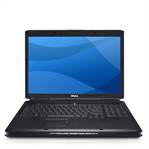
Dell Vostro audio-video review
Is your computer down for the count?
Even with better security suites, combining anti-virus, spyware and firewall, we still see the summer meltdown - about the fifth year in a row that Computer Clarity has been called to fix or diagnose a computer problem due to a slow computer that just won't do anything. My book, Computer Ease, has an entire chapter covering spyware. The Chicago Computer Soceity reviewer said that chapter alone is worth the $14.95 price of the book.
It happens most in families where children of all ages use the Internet, and inadvertently get themselves into trouble. Often it is not worth fixing the computer because of the high labor cost involved, and because if they did it once they will likely do it again, without a proper protection suite.
Consumer Reports recently cites the facts:
Best anti-virus, spyware and firewall suites include:
Computer Associates Internet Security Suite
Panda Software
TrendMicro
Better to spend $50/year on protection than send your computer to the next electronics recycling event... which is Sept. 29th at Motorola in Schaumburg. Do not throw computers, printers, or monitors in the trash.
It happens most in families where children of all ages use the Internet, and inadvertently get themselves into trouble. Often it is not worth fixing the computer because of the high labor cost involved, and because if they did it once they will likely do it again, without a proper protection suite.
Consumer Reports recently cites the facts:
- Lack of protection on the Internet has cost consumers $7 billion over two years.
- Computer viruses have prompted 1.8 million households to junk their PCs over the past two years, while spyware has claimed another 850,000 machines in the past six months.
- And, one-third of U.S. households don't protect their computers from spyware.
Best anti-virus, spyware and firewall suites include:
Computer Associates Internet Security Suite
Panda Software
TrendMicro
Better to spend $50/year on protection than send your computer to the next electronics recycling event... which is Sept. 29th at Motorola in Schaumburg. Do not throw computers, printers, or monitors in the trash.
Thursday, August 23, 2007
Fix your Norton Anti-Virus program today
If you use Norton Anti-Virus, you should run Live Update as soon as you can. The company patched a serious flaw on August 12th.
Through an error in its product, programming language flaws could allow another computer to take control of your software. Norton was not properly checking the data it received to make certain malicious commands did not pass through.
Thanks to Network World for announcing the problem - there's no record of it on Norton's Symantec site.
Through an error in its product, programming language flaws could allow another computer to take control of your software. Norton was not properly checking the data it received to make certain malicious commands did not pass through.
Thanks to Network World for announcing the problem - there's no record of it on Norton's Symantec site.
Friday, August 17, 2007
Is it a phone bill or a novel?
Now that iPhone customers got over the shock of paying $500 or $600 for a phone, their first month phone bills are landing with a big THWAK in the mailbox or on their doorstoop. A 50 or 100 page bill??
Seems the sleek-minded Apple folks and the AT&T Service provider screwed up big time.
Here's an example, from the hilarious David Pogue of the New York Times.
If you have time, read more at David's blog at http://pogue.blogs.nytimes.com/2007/07/18/iphoneatt-billuh-oh/
Of course, the only reason I find this so funny is because I didn't buy one !
Seems the sleek-minded Apple folks and the AT&T Service provider screwed up big time.
Here's an example, from the hilarious David Pogue of the New York Times.
..."It’s a staggeringly, hatefully complex document, designed by some Monty Pythoneseque committee in charge of consumer confusion.
For starters, although I signed up for what iTunes told me was a $60 plan (450 minutes, unlimited Internet), the bill says I have a $40 voice plan and a $20 Internet plan, and lists them on separate pages.
The first bill, believe it or not, comes to $150. It’s filled with unexplained services and features that were never mentioned during the signup process, like MEDIA MAX, EXPD M2M, VOICE PRIVACY, and AT&T DIRECT BILL.
... It’s an unadulterated waste of paper, ink, and fuel to deliver it. It helps no one; dudes, we’re all on unlimited data plans! Who the heck needs a breakdown like this? If AT&T thinks anyone cares, they should stick it on the Web, for crying out loud."If you have time, read more at David's blog at http://pogue.blogs.nytimes.com/2007/07/18/iphoneatt-billuh-oh/
Of course, the only reason I find this so funny is because I didn't buy one !
Wednesday, August 08, 2007
The virtual reality of Web 2.0

I've written before about Web 2.0 - the convergence of social networking that puts the MeMe generation in a homogeneous sandbox with all their playmates. Web 2.0 sites like Digg and FaceBook draw crowds who post their favorite things online - lists of web sites, books, photos, music, and surround themselves with others who share their interest.
Many of these social networking site owners don't do much except pay the electric bill, yet they make a zillion dollars on advertising.
What are we wasting in the earth's resources by dreaming up ways to waste time through these social networking venues? Are you ready for the answer? ....
One site, secondlife.com, allows you to create an "avatar," a fake you, in a land of make-believe where you can create essentially a cartoon version of yourself, your town, clothing, etc. Or a fantasy life for yourself as a billionaire, movie star, who knows what else...
Second Life describes itself as "a 3D online digital world imagined, created & owned by its residents." It lets people live in a fantasy world, acting out behaviors they can't get away with in real life, and buying and selling goods with an imaginary currency called "Linden dollars."
Once the site became popular, large companies even created avatars for their brands and create an entire imaginary society online.
Fascinating in itself, sociologists are surely working on an analysis of "people with too much time." But more interesting at the moment, author Nick Carr, author of Does IT Matter? has calculated that an avatar on Second Life essentially uses as much electricity as a real live resident of Brazil.
The avatar world on Second Life has an average of 12,500 people online at any time. Carr calculates the computers of the real people who create these imaginary lives would use 12,500 computers, and the servers that host the site might require 4,000 computers. Based on typical watts of electricity consumed by computers, a day on Second Life therefore consumes about 60,000 kilowatt-hours.
So check the world electricity usage stats and that's a close measure to the daily electricity used by an average person in Brazil.
Now should we measure the lost productivity in the world economy by people creating and dressing these fake personas?
An executive at Sun MicroSystem's Dave Douglas took this moral dilemma a step further and calculated the CO2 emissions (greenhouse gasses) from the production of all this electricity. Douglas writes the avatar uses "1,752 kWH/year per avatar -- about 1.17 tons of CO2. That's the equivalent of driving an SUV around 2,300 miles (or a Prius around 4,000)."
You can read more at Nick Carr's blog: http://www.roughtype.com/archives/2006/12/avatars_consume.php
or post a comment here to share your thoughts.
Thursday, July 19, 2007
Information grab by Google?
As an update to the post of July 8, about Google:
The Google program that ran on PBS in Chicago on July 12th, a film called "The World According to Google" was surprising.
Instead of celebrating the behemoth, it dug into assessing the scope of the enterprise, questioning the right of one company to collect all the world's information. I've long suspected Google and other big internet firms were on that path.
I listened with interest as Brewster Kahle, the man who made a fortune with the Alexa search engine, and founded the Internet Archive in 1996 discussed the issue. Unlike Google, the Internet Archive purpose is: "offering permanent access for researchers, historians, and scholars to historical collections that exist in digital format."
There's an interesting interview with Brewster Kahle on SecondLife.com.
The business model for Google is sound: give information away for free, get money from advertisers. But who owns that information? We do. And, while it is clear that large internet companies collect user data, they are also giving that information away, either through strategic alliances, or if the government demands it.
Do you want all your private photos, email , address, web search history and files on your computer archived forever by them? And given or sold to others?
The Internet archive has received a grant to challenge Google Library's right to own digital book rights. See CNET http://www.archive.org/iathreads/post-view.php?id=73142.
Are you still with me? Contrary to Google's efforts to capture and digitize books from the world's libraries, the Open Content Alliance, is a joint effort by the Internet Archive, Yahoo and Microsoft to digitize library collections, including those of the University of California system and The University of Toronto. Unlike a similar project from Google, which allows users to read the digitized content only through Google's Web site, the OCA material will be searchable through any service and everyone will be encouraged to download books.
Who's to say Google will always live by its 'do no evil' motto, once they compile more information than any other source?
Who's to say what is free on the web today won't suddenly require prices once needed information is locked up by a corporation?
I'm only asking the questions, here. I don't have the answers, but hope you'll spend a few minutes noodling the ethical dilemma posed by the problem.
The Google program that ran on PBS in Chicago on July 12th, a film called "The World According to Google" was surprising.
Instead of celebrating the behemoth, it dug into assessing the scope of the enterprise, questioning the right of one company to collect all the world's information. I've long suspected Google and other big internet firms were on that path.
I listened with interest as Brewster Kahle, the man who made a fortune with the Alexa search engine, and founded the Internet Archive in 1996 discussed the issue. Unlike Google, the Internet Archive purpose is: "offering permanent access for researchers, historians, and scholars to historical collections that exist in digital format."
There's an interesting interview with Brewster Kahle on SecondLife.com.
The business model for Google is sound: give information away for free, get money from advertisers. But who owns that information? We do. And, while it is clear that large internet companies collect user data, they are also giving that information away, either through strategic alliances, or if the government demands it.
Do you want all your private photos, email , address, web search history and files on your computer archived forever by them? And given or sold to others?
The Internet archive has received a grant to challenge Google Library's right to own digital book rights. See CNET http://www.archive.org/iathreads/post-view.php?id=73142.
Are you still with me? Contrary to Google's efforts to capture and digitize books from the world's libraries, the Open Content Alliance, is a joint effort by the Internet Archive, Yahoo and Microsoft to digitize library collections, including those of the University of California system and The University of Toronto. Unlike a similar project from Google, which allows users to read the digitized content only through Google's Web site, the OCA material will be searchable through any service and everyone will be encouraged to download books.
Who's to say Google will always live by its 'do no evil' motto, once they compile more information than any other source?
Who's to say what is free on the web today won't suddenly require prices once needed information is locked up by a corporation?
I'm only asking the questions, here. I don't have the answers, but hope you'll spend a few minutes noodling the ethical dilemma posed by the problem.
--
Helen Gallagher
Computer Clarity
www.cclarity.com
Tech news at cclarity.blogspot.com
Sunday, July 15, 2007
Have mouse, will travel ~ and travail
I burned my finger with a too-hot touchpad. Here's my solution:
I love using my notebook computer, all day, every day, from cafe, to client, to summer on the balcony.
My Averatec notebook has a speedy built-in touchpad but lately it has become so HOT I'm hurting my fingers. While waiting for tech support to determine if there is a recall notice, I switched to my wireless mouse.
The Logitech Optical Wi-FI mouse connects wirelessly via a USB sensor that plugs into your computer's USB port. The connector looks just like a thumb drive. When you roam, you pull the USB out, snap it onto the bottom of the mouse and you're ready to go. Without a rolling ball on the bottom, the mouse works on any surface, knee, dashboard, even on your laptop wrist rest.
I have been using it lately as a portable mouse wherever I go and it is fantastic. Office Max has a big selection, and I'm sure other retailers do too.
Logitech Mouse
PS - it's a perfect present for all those Leo's with an August birthday!!
Read more Good Mousekeeping tips in "Computer Ease."
I love using my notebook computer, all day, every day, from cafe, to client, to summer on the balcony.
My Averatec notebook has a speedy built-in touchpad but lately it has become so HOT I'm hurting my fingers. While waiting for tech support to determine if there is a recall notice, I switched to my wireless mouse.
The Logitech Optical Wi-FI mouse connects wirelessly via a USB sensor that plugs into your computer's USB port. The connector looks just like a thumb drive. When you roam, you pull the USB out, snap it onto the bottom of the mouse and you're ready to go. Without a rolling ball on the bottom, the mouse works on any surface, knee, dashboard, even on your laptop wrist rest.
I have been using it lately as a portable mouse wherever I go and it is fantastic. Office Max has a big selection, and I'm sure other retailers do too.
Logitech Mouse
PS - it's a perfect present for all those Leo's with an August birthday!!
Read more Good Mousekeeping tips in "Computer Ease."
Sunday, July 08, 2007
On PBS this Thursday, July 12, 2007
Google truly is an amazing empire. Be sure to watch this PBS show Thursday night.
And while Google has grown from good to great, and bred more than a few multi-millionaires, remember, it's not always the best search tool for your needs.
Read about "Search Engines: Order out of chaos," in Computer Ease.
The World According to Google
Thursday, July 12, 8:00pmCHANNEL 11 (WTTW)
A look at Google, the Internet company whose motto is "don't be evil." Included: the company's "chief Internet evangelist" Vint Cerf; Google's hiring process; and the ethical and philosophical questions it faces.
And while Google has grown from good to great, and bred more than a few multi-millionaires, remember, it's not always the best search tool for your needs.
Read about "Search Engines: Order out of chaos," in Computer Ease.
Tuesday, July 03, 2007
Is more RAM the answer?
If your computer is slowing down, it is not likely due to the number of files you've saved. No need to feel guilty and start emptying the trash. It's more likely the amount of random access memory (RAM).
I know what you're thinking: The computer has the same amount of memory it did when it was new. Why wouldn't it be enough now. Well, more programs, like web browsers and Microsoft Office use much more memory. They are now graphic-intensive resource hogs.
The less memory you have, the slower the computer is to switch between programs, open and close files, and save your data. The more time you're online, the slower it works, perhaps needing a reboot to refresh the memory. When memory is unavailable, the computer starts using disk space for temporary, virtual storage.
Memory is an expensive component of computers so PC manufacturers skimp on memory. If you can, next time, buy a computer with double the original memory.
For now, if your computer acts downright lazy, the easy solution is to double the memory.
You can also use a utility like MemTurbo or SpeedUpMyPC.
I know what you're thinking: The computer has the same amount of memory it did when it was new. Why wouldn't it be enough now. Well, more programs, like web browsers and Microsoft Office use much more memory. They are now graphic-intensive resource hogs.
The less memory you have, the slower the computer is to switch between programs, open and close files, and save your data. The more time you're online, the slower it works, perhaps needing a reboot to refresh the memory. When memory is unavailable, the computer starts using disk space for temporary, virtual storage.
Memory is an expensive component of computers so PC manufacturers skimp on memory. If you can, next time, buy a computer with double the original memory.
For now, if your computer acts downright lazy, the easy solution is to double the memory.
You can also use a utility like MemTurbo or SpeedUpMyPC.
Saturday, June 30, 2007
Act completes turn-around
The many fans of Act in Computer Clarity's database will be thrilled to know the newest versions are stellar.
We mourned the loss of speed and clarity after version 2000, when Act was sold to Best Software, who made it second-best with version 2005. Very slow ... I mean v e r y s l o o o w. It was maddening.
Act is now owned by Sage Software and version 2007 is terrific. Performance is up to speed if your computer has at least 1 GB memory, and the appearance is improved. The beta of their next version shows Sage is on the right track, and is rewarding our patience after a rocky change in ownership.
You can still purchase older versions of Act on the secondary market (amazon, buy.com, etc.) but spring for the newest if your business needs a fresh start on managing contacts.
We mourned the loss of speed and clarity after version 2000, when Act was sold to Best Software, who made it second-best with version 2005. Very slow ... I mean v e r y s l o o o w. It was maddening.
Act is now owned by Sage Software and version 2007 is terrific. Performance is up to speed if your computer has at least 1 GB memory, and the appearance is improved. The beta of their next version shows Sage is on the right track, and is rewarding our patience after a rocky change in ownership.
You can still purchase older versions of Act on the secondary market (amazon, buy.com, etc.) but spring for the newest if your business needs a fresh start on managing contacts.
Friday, June 22, 2007
AT&T = Ameritech = SBC = AT&T
Now that "the phone company" has come full circle, most clients who signed up for SBC Global DSL service are being phased into the AT&T DSL service. If you did not receive an email from AT&T instructing you on how to change your POP and SMTP mail servers, and are having trouble with email, here are the correct settings.
Instead of:
pop.sbcglobal.yahoo.com use pop.att.yahoo.com
Instead of:
smtp.sbcglobal.yahoo.com use smtp.pop.yahoo.com
Change the POP server port to 995 instead of 110 and
change the SMTP server port to 465 instead of 25.
Got it? If not, let me know if you need a housecall.
Helen
Instead of:
pop.sbcglobal.yahoo.com use pop.att.yahoo.com
Instead of:
smtp.sbcglobal.yahoo.com use smtp.pop.yahoo.com
Change the POP server port to 995 instead of 110 and
change the SMTP server port to 465 instead of 25.
Got it? If not, let me know if you need a housecall.
Helen
Saturday, June 16, 2007
Most-asked tech questions
Having just returned from a brief vacation, the voicemail and email show a trend. Here's what's on the minds of my clients:
1. Should I buy another Windows XP computer while they are still available?
Answer: Yes. Don't get Vista unless you have lots of spare time to play around with it.
2. What's the easiest backup method.
Answer: USB thumb drives or online backup service like Genie Backup Manager.
3. Email is becoming a terrible, messy burden.
Answer: I know, I know. The best strategy is to reply, file or delete. Don't let the Inbox, Sent or Trash build up to hundreds of messages. It's anxiety-producing and inefficient. Read, Act, or Dump, that's all we can do.
4. Isn't there an easier way to find my files?
Answer: Windows Explorer with it's nested folder system, and quick search ability is the best we've got for now. It does take time to manage, but it takes less time than paper files. Make folders, drag your stuff into them, and do a backup. Then, grab a book and go to the swimming pool to relax.
There is an entire chapter in Computer Ease on handling these mundane tasks. But if they make our life easier and let us work faster, they're worth learning.
1. Should I buy another Windows XP computer while they are still available?
Answer: Yes. Don't get Vista unless you have lots of spare time to play around with it.
2. What's the easiest backup method.
Answer: USB thumb drives or online backup service like Genie Backup Manager.
3. Email is becoming a terrible, messy burden.
Answer: I know, I know. The best strategy is to reply, file or delete. Don't let the Inbox, Sent or Trash build up to hundreds of messages. It's anxiety-producing and inefficient. Read, Act, or Dump, that's all we can do.
4. Isn't there an easier way to find my files?
Answer: Windows Explorer with it's nested folder system, and quick search ability is the best we've got for now. It does take time to manage, but it takes less time than paper files. Make folders, drag your stuff into them, and do a backup. Then, grab a book and go to the swimming pool to relax.
There is an entire chapter in Computer Ease on handling these mundane tasks. But if they make our life easier and let us work faster, they're worth learning.
Monday, June 11, 2007
Jim Coates retires from tech writing
Chicago Tribune columnist, Jim Coates, a nationwide favorite, is retiring today. He provided more laughs, compassion and clarity than any other tech columnist in the country. No one could sort out the facts, labor hours over re-creating errors, testing software, interviewing company execs, and sniffing out the truth about the way things work.
Here at Computer Clarity I always thought the battles I fought to make things right for clients were in unison with Jim and his thinking about the way technology should work, so I'll miss his columns. His retirement may be the start of a book career, so we haven't heard the last of him.
Here at Computer Clarity I always thought the battles I fought to make things right for clients were in unison with Jim and his thinking about the way technology should work, so I'll miss his columns. His retirement may be the start of a book career, so we haven't heard the last of him.
Saturday, May 26, 2007
Life - stored in computers

Computers are fantastic for data storage, but there's so much more than can do. I've long followed the work of Gordon Bell, a 72-year-old Microsoft engineer who is gathering all the elements of his life into a digital storage system. His project, My Life Bits, is sponsored by Microsoft. Bell's biggest challenge is to come up with a meaningful use for such a powerful collection of life's flotsam.
You can read a fresh account of this project by Alec Wilkinson in the 5/28/07 New Yorker. More to the point, it might get you thinking about what you'd like to log as the memorable events of your own life. From the compulsive diaries of Samuel Pepys, the attention and introspection of such records is surely a noble effort, but I fear, one that I'd be incapable of stopping once started.
Another Microsoft researcher, Eric Horvitz, has intriguing ideas about creating a computer that could think like us. His Lifebrowser project uses a computer to do so much more than we've ever thought of. When computers are still, he feels they could be put to use to understand our minds, catalog and organize our memories, and " help you be a better you."
My personal commitment is on a much smaller scale. Using a Palm LifeDrive I'm able to capture more than 4 GB of data - all contacts, calendars, photos, books, business files in Word, Excel, PowerPoint, accounting, wi-fi, email, web pages and more more more. I'm listening to MP3 recordings of a conference I attended last month, simultaneously taking notes and researching web sites of the speakers.
It's a fantastic adventure to stretch technology and my mind til they converge in a smarter place. We live in a marvelous age.
Thursday, May 24, 2007
"Release Your Writing"
Good news for writers interested in publishing a book. I am completing my manuscript for Release Your Writing: Options in Self-Publishing and will have the book available for the Cultural Center Book Fair in October. Learn more at ReleaseYourWriting.com
Another nice award

After winning a non-fiction award for Computer Ease in 2006 at the Illinois Women's Press Association, I'm doubly pleased to have won 3rd place for Best Essay this year. It is for my contribution to The World Is a Kitchen, published by Lonely Planet's Travelers' Tales.
http://worldisakitchen.typepad.com/the_world_is_a_kitchen/2007/05/twiak_contribut.html
Friday, May 18, 2007
What is Web 2.0?
A client just asked for help understanding Web 2.0 on the Q & A forum at www.cclarity.com/questions.html.
Since space is limited there, here's the concept:
Web 2.0 is a new wave beyond static web pages delivering info on your screen. The 2.0 implies a new generation, just as software that moves from version 1 to 2.
What's different is that information can be readily shared, accessed from anywhere, and massive storage space is free. It includes simple, and even free, tools and applications, like Picasa for photo management. The broader concept is: "web-based software services" that encourage users to become more involved with information.
Web 2.0 start-ups received $844 million in venture capital during 2006, double the prior year, according to VentureOne.
Web 2.0 is moving into "mashups," merging ideas such as adding Google Maps to Craig's List. If someone searches for an apartment on Nob Hill, they can click the map to view the actual neighborhood and street.
Web 2.0 uses new technology that goes far beyond HTML, like AJAX, RSS and XML.
It remains to be seen if this is a new way for the me-me-me generation to waste time, or whether companies can make it work for communication and interactive meetings, giving people a base station to launch their life online.
TIP: When you see a word you're unfamiliar with, look it up at dictionary.com.
When you're mystified by acronyms, use acronymfinder.com.
Since space is limited there, here's the concept:
Web 2.0 is a new wave beyond static web pages delivering info on your screen. The 2.0 implies a new generation, just as software that moves from version 1 to 2.
What's different is that information can be readily shared, accessed from anywhere, and massive storage space is free. It includes simple, and even free, tools and applications, like Picasa for photo management. The broader concept is: "web-based software services" that encourage users to become more involved with information.
Web 2.0 start-ups received $844 million in venture capital during 2006, double the prior year, according to VentureOne.
Web 2.0 is moving into "mashups," merging ideas such as adding Google Maps to Craig's List. If someone searches for an apartment on Nob Hill, they can click the map to view the actual neighborhood and street.
Web 2.0 uses new technology that goes far beyond HTML, like AJAX, RSS and XML.
It remains to be seen if this is a new way for the me-me-me generation to waste time, or whether companies can make it work for communication and interactive meetings, giving people a base station to launch their life online.
TIP: When you see a word you're unfamiliar with, look it up at dictionary.com.
When you're mystified by acronyms, use acronymfinder.com.
Could Google become the "New Coke?"
Google got to the top of the ephemeral search heap by focusing on gathering more information than anyone else, using search algorithms to produce query results and creating a design that gave users more white space than jut about any other web site. Not revolutionary, but effective and efficient.
Now, Google is beginning to stray. Like New Coke, they're tampering with a core product and losing the fizz. Or McDonald's, with a winning formula for burgers, now saying: "You want salad? We've got salad." "Steak, chicken, ice cream? Come on in." So it loses its uniqueness, differentiation and becomes a confusing choice, whether we're talking media or meat.
I'm sure you've noticed the web, or now Web 2.0 (see next article), is merging media, like TV, radio, newspapers, with video, music, and info-bits from random sources. Google is now testing its famous search function doctored up to add all that plus timelines, photo galleries,
Saying the old model of searching is, well, old, Google is launching the first major change ever for the multi-billion dollar search company. The new "Universal Search" model looks like the mega-storm of junk you can find elsewhere: Images, video clips, news from elsewhere, book content, maps and, of course, web sites, which is what people are looking for when they search Google.
So deep is the promised change, users will have to learn to navigate a new Google homepage and wander past ads for other Google products. Or maybe not - Maybe Google will no longer be a web user's first stop when they're hungry for information and short on time. Hmmm, isn't that the same problem McDonald's has?
If used well for serious research, Google is like magic. But, they're "fiddling with the magic," says ZDNet's digital blogger, Donna Bogatin.
While waiting for New Google, remember Clusty.com offers clustered results down the left rail of the screen, sub-dividing search results into categories. No need to waste time elsewhere, sorting through the fast-food menu that used to be Google.
Now, Google is beginning to stray. Like New Coke, they're tampering with a core product and losing the fizz. Or McDonald's, with a winning formula for burgers, now saying: "You want salad? We've got salad." "Steak, chicken, ice cream? Come on in." So it loses its uniqueness, differentiation and becomes a confusing choice, whether we're talking media or meat.
I'm sure you've noticed the web, or now Web 2.0 (see next article), is merging media, like TV, radio, newspapers, with video, music, and info-bits from random sources. Google is now testing its famous search function doctored up to add all that plus timelines, photo galleries,
Saying the old model of searching is, well, old, Google is launching the first major change ever for the multi-billion dollar search company. The new "Universal Search" model looks like the mega-storm of junk you can find elsewhere: Images, video clips, news from elsewhere, book content, maps and, of course, web sites, which is what people are looking for when they search Google.
So deep is the promised change, users will have to learn to navigate a new Google homepage and wander past ads for other Google products. Or maybe not - Maybe Google will no longer be a web user's first stop when they're hungry for information and short on time. Hmmm, isn't that the same problem McDonald's has?
If used well for serious research, Google is like magic. But, they're "fiddling with the magic," says ZDNet's digital blogger, Donna Bogatin.
While waiting for New Google, remember Clusty.com offers clustered results down the left rail of the screen, sub-dividing search results into categories. No need to waste time elsewhere, sorting through the fast-food menu that used to be Google.
Tuesday, May 01, 2007
Business 2.0 mag flunks Backup 101
Business 2.0 is a glossy business & technology magazine owned by Time, Inc. While putting together their next issue, for June, the magazine’s editorial system crashed, wiping out all the work and the backup server failed to back up.
In the New York Times, Business 2.0 editor Josh Quittner is quoted as saying: "The night of the crash, our tech guy was here until 4 o’clock in the morning, but the patient died.” Until then, the magazine had never had to rely on its backup server, he said, so no one had noticed that its programming was either obsolete or dysfunctional, or both.
The June issue will still be published. What saved the day? They had emailed all article content to their attoryneys, and had the email attachments, because the mail server didn't crash. Maybe next time they'll also back up their email.
In the New York Times, Business 2.0 editor Josh Quittner is quoted as saying: "The night of the crash, our tech guy was here until 4 o’clock in the morning, but the patient died.” Until then, the magazine had never had to rely on its backup server, he said, so no one had noticed that its programming was either obsolete or dysfunctional, or both.
The June issue will still be published. What saved the day? They had emailed all article content to their attoryneys, and had the email attachments, because the mail server didn't crash. Maybe next time they'll also back up their email.
Monday, April 23, 2007
My New York marathon
I'm not a runner, and definitely not athletic, so my version of a New York marathon is this:
"Thirty hours in New York without crossing a street"
As those who know me can attest, I'm always thinking about the perils of multi-tasking and how to be efficient, focus and get things done.
The American Society of Journalists and Authors (asja.org) had their annual writing conference this past weekend and I wanted to attend scads of sessions and workshops. Limited time didn't stop me. Although I have pressing deadlines and commitments, I though about how I could make it work - take the time to escape to New York and focus on writing.
So I took American Airlines first flight Saturday morning, and took a taxi from LaGuardia upon landing. Twenty minutes later, I was immediately immersed in the conference at the Grand Hyatt. I attended lectures, targeted my goals to match the time available, and did some networking. Walked 50 feet from the hotel into Grand Central Station to give credence to the metaphor of life being "like Grand Central Station." Sure, it's a busy place, but the architecture, eclectic mix of people, and the exotic food court won me over.
Sunday as the conference wrapped up, it was back to the airport and home. It was 30 hours round trip, mission accomplished, a weekend getaway, a productive conference, and an opportunity to focus.
The very successful "Getting Things Done" by David Allen has lots of good advice on productivity and focus, if you have time to read it... while you're jogging. Allen actually admits its okay to have nothing on your mind now and then.
Helen Gallagher
author: Computer Ease
"Thirty hours in New York without crossing a street"
As those who know me can attest, I'm always thinking about the perils of multi-tasking and how to be efficient, focus and get things done.
The American Society of Journalists and Authors (asja.org) had their annual writing conference this past weekend and I wanted to attend scads of sessions and workshops. Limited time didn't stop me. Although I have pressing deadlines and commitments, I though about how I could make it work - take the time to escape to New York and focus on writing.
So I took American Airlines first flight Saturday morning, and took a taxi from LaGuardia upon landing. Twenty minutes later, I was immediately immersed in the conference at the Grand Hyatt. I attended lectures, targeted my goals to match the time available, and did some networking. Walked 50 feet from the hotel into Grand Central Station to give credence to the metaphor of life being "like Grand Central Station." Sure, it's a busy place, but the architecture, eclectic mix of people, and the exotic food court won me over.
Sunday as the conference wrapped up, it was back to the airport and home. It was 30 hours round trip, mission accomplished, a weekend getaway, a productive conference, and an opportunity to focus.
The very successful "Getting Things Done" by David Allen has lots of good advice on productivity and focus, if you have time to read it... while you're jogging. Allen actually admits its okay to have nothing on your mind now and then.
Helen Gallagher
author: Computer Ease
Friday, April 20, 2007
Today Dell reverts back to Windows XP. Users win!
This post comes from Infopackets.com
Dell Offers Windows XP to Home Users
by Bill Lindner
Dell has announced that it will begin offering Windows XP on some of their consumer systems due to significant customer demand. The company said many customers have been asking for XP as part of the Dell IdeaStorm project, which asks customers to help the company come up with product ideas.
Dell Offers Windows XP to Home Users
by Bill Lindner
Dell has announced that it will begin offering Windows XP on some of their consumer systems due to significant customer demand. The company said many customers have been asking for XP as part of the Dell IdeaStorm project, which asks customers to help the company come up with product ideas.
"We heard you loud and clear on bringing the Windows XP option back to our Dell consumer PC offerings," Dell said on its Ideas in Action page. Users vote on various suggestions. Bringing Windows XP back received over 10,000 votes. Interestingly, adding Linux received over 123,000 votes.
Starting immediately, Dell will be adding Windows XP Home and Windows Professional as options on four Inspiron laptop models and two Dimension desktop models. Last month Dell added Windows XP as an option for small business customers but not for home users.
Analysts say Dell's move is not a good sign for Windows Vista. "[The fact] that there is remaining demand from some segment of [the] consumer market points to the inability of Vista to resonate with consumers," IDC analyst Richard Shim said.
Shim said there was an initial bump in Vista sales right after its launch, but that some of that may have been from consumers who waited to purchase a PC until it was available. Sales in the later part of the first quarter were less strong and that the overall response to Vista will become clearer throughout the year.
Visit Bill's Links and More for more great tips, just like this one!
Friday, April 13, 2007
Windows vs. Vista announcement
I've just learned that Microsoft will stop selling Windows XP by January 1, 2008.
So store inventories of Windows XP computers will be phased out over the next six months, even sooner for Dell.
The dilemma:
If you want or need to replace your computer - you can:
1. buy it before year end as a defensive strategy to be sure get Windows XP and live with a new computer running an obsolete operating system, or
2. do nothing until you have no choice and get a new computer running Vista.
Microsoft will not support Windows XP, even on a machine still under warranty after April 14, 2009.
As of April 4, 2007, Dell announced they are only offering Windows XP on Dimension and Inspiron computers until this summer.
"Dell recognizes the needs of small business customers and understands that more time is needed to transition to a new operating system.The plan is to continue offering Windows XP on select Dimension and Inspiron systems until later this summer.
So store inventories of Windows XP computers will be phased out over the next six months, even sooner for Dell.
The dilemma:
If you want or need to replace your computer - you can:
1. buy it before year end as a defensive strategy to be sure get Windows XP and live with a new computer running an obsolete operating system, or
2. do nothing until you have no choice and get a new computer running Vista.
Microsoft will not support Windows XP, even on a machine still under warranty after April 14, 2009.
As of April 4, 2007, Dell announced they are only offering Windows XP on Dimension and Inspiron computers until this summer.
"Dell recognizes the needs of small business customers and understands that more time is needed to transition to a new operating system.The plan is to continue offering Windows XP on select Dimension and Inspiron systems until later this summer.
Dell does not have plans to launch Windows XP for home users as the preference and demand is for the “latest and greatest” technology which includes Windows Vista."
source http://direct2dell.com/one2one/archive/2007/04/04/10397.aspx
Many think this Microsoft strategy is an alarmist effort to sell more of its Vista operating system. Why are sales low? Expensive hardware requirements, incompatibility surprises, and user contentment with Windows XP.
Tuesday, April 03, 2007
French art exhibit in New Orleans

I just returned from a fabulous trip to New Orleans. Despite what we hear about the city in the news, tourism is vibrant, loads of events are planned all through the year. Here's a link to a very special exhibit at the New Orleans Museum of Art.
Femme, Femme, Femme, published in San Antonio Express-News
Monday, March 26, 2007
Taking Multitasking to Task
Another report in the news urges us to focus, focus, focus. While I couldn't read the article in one sitting, and my mind wandered to three other ideas, I did read it. The Chicago Tribune story, by Steve Lohr quotes David Meyer, a cognitive scientist and director of the Brain, Cognition and Action Laboratory at the University of Michigan: "Multitasking is going to slow you down, increasing the chances of mistakes. Disruptions and interruptions are a bad deal from the standpoint of our ability to process information."
Sorry - got interrupted.
As I was saying, I have noticed that multi-tasking and the constant effort to recover from interruption is fatiguing and results in getting less done.
Add up all the starting and stopping and you'll see why you're worn out and not sure what you should do next. If you ask yourself "What was I working on?" you suffer from task overload too.
My office phone line has been broken almost all week. It has nasty interference noises, sometimes rings like a fire alarm, sometimes like a dying bird. So until it is repaired, I have turned the ringer off and just check for voicemail every hour.
When you have a lot to get done, try turning off the phone and closing your email program for a few hours. I predict your productivity will soar.
Sorry - got interrupted.
As I was saying, I have noticed that multi-tasking and the constant effort to recover from interruption is fatiguing and results in getting less done.
Add up all the starting and stopping and you'll see why you're worn out and not sure what you should do next. If you ask yourself "What was I working on?" you suffer from task overload too.
My office phone line has been broken almost all week. It has nasty interference noises, sometimes rings like a fire alarm, sometimes like a dying bird. So until it is repaired, I have turned the ringer off and just check for voicemail every hour.
When you have a lot to get done, try turning off the phone and closing your email program for a few hours. I predict your productivity will soar.
Sunday, March 18, 2007
Will Social Networking please peak soon?
With the wealth of powerful knowledge and information available worldwide on the web, doesn't this seem a bit pathetic? Source: hitwise.com
Hitwise US - Top 20 Websites - February, 2007
| Rank | Website | Market Share |
|---|---|---|
| 1. | www.myspace.com | 5.93% |
| 2. | www.google.com | 4.47% |
| 3. | www.yahoo.com | 4.16% |
| 4. | mail.yahoo.com | 4.1% |
| 5. | mail.myspace.com | 3.86% |
| 6. | www.hotmail.com | 1.98% |
| 7. | www.msn.com | 1.81% |
| 8. | www.ebay.com | 1.55% |
| 9. | search.yahoo.com | 1.42% |
| 10. | search.msn.com | 0.81% |
| 11. | www.facebook.com | 0.76% |
| 12. | www.youtube.com | 0.61% |
| 13. | images.google.com | 0.53% |
| 14. | blog.myspace.com | 0.44% |
| 15. | www.wikipedia.org | 0.39% |
| 16. | music.myspace.com | 0.38% |
| 17. | www.aol.com | 0.33% |
| 18. | my.yahoo.com | 0.33% |
| 19. | address.yahoo.com | 0.31% |
| 20. | www.ebaymotors.com | 0.29% |
Source - Hitwise - February, 2007 - based on market share of visits.
Wednesday, February 28, 2007
Are your programs compatible with Vista?
Microsoft has issued a list of programs certified or approved to run on Vista.
You can read the full list here.
Clients: Note that only Act Premium is listed, not all versions of Act.
http://support.microsoft.com/kb/933305
You can read the full list here.
Clients: Note that only Act Premium is listed, not all versions of Act.
http://support.microsoft.com/kb/933305
Friday, February 23, 2007
Skip to the Loo

LifeHacker.com is one of my favorite tech sites. They scope out the most ingenious, creative, web tools, gadgets, and productivity tools. Here's a clever one.
Wednesday, February 14, 2007
SeaMonkey: Part 2 - It's a winner
As a follow-up to my post on January 26, 2007, SeaMonkey, from Mozilla, makers of Firefox, is a worthy contender for your web browsing and email management.
I mentioned my search for a replacement for the Netscape browser. It's a good product, but v. 7.2 has been crashing in many multi-media and ad-filled web sites, such as CNN. And v. 8.3 is dandy but Netscape abandoned the integrated email feature after v. 7.2.
Netscape, invented at the University of Illinois, used to be the dominant browser in the PC marketplace, until Microsoft embedded IE on every computer sold. Even the US Justice Dept. couldn't manage to unravel that theft of market share. Netscape remained relatively safe from hackers, offered tabbed browsing, robust email with an excellent junk filter, labels to sort mail by priority and sub-folder support.
I started looking for a replacement because I also need Netscape's Composer feature to edit web pages and publish them on the fly. The HTML editor was unique to Netscape. Copy-cats IE and Firefox didn't add that to their browser, and never figured out a way to include integrated email.
So I downloaded SeaMonkey and recommend you do the same. While Firefox is a dandy browser, SeaMonkey's integration of browsing and a terrific email program is a real asset. The download is quick. You can get it here: http://www.mozilla.org/projects/seamonkey/.
It completely configured itself - importing bookmarks, address book, email settings and took about ten minutes. If you're not sure you love it, don't make it your "default" browser, and you can always go back to old habits. But SeaMonkey, which is a Firefox product, is finally one program for all web needs. I recommend it. To prove how closely these products are based on Netscape, SeaMonkey looks EXACTLY like Netscape 7.2, except for the logo.
I mentioned my search for a replacement for the Netscape browser. It's a good product, but v. 7.2 has been crashing in many multi-media and ad-filled web sites, such as CNN. And v. 8.3 is dandy but Netscape abandoned the integrated email feature after v. 7.2.
Netscape, invented at the University of Illinois, used to be the dominant browser in the PC marketplace, until Microsoft embedded IE on every computer sold. Even the US Justice Dept. couldn't manage to unravel that theft of market share. Netscape remained relatively safe from hackers, offered tabbed browsing, robust email with an excellent junk filter, labels to sort mail by priority and sub-folder support.
I started looking for a replacement because I also need Netscape's Composer feature to edit web pages and publish them on the fly. The HTML editor was unique to Netscape. Copy-cats IE and Firefox didn't add that to their browser, and never figured out a way to include integrated email.
So I downloaded SeaMonkey and recommend you do the same. While Firefox is a dandy browser, SeaMonkey's integration of browsing and a terrific email program is a real asset. The download is quick. You can get it here: http://www.mozilla.org/projects/seamonkey/.
It completely configured itself - importing bookmarks, address book, email settings and took about ten minutes. If you're not sure you love it, don't make it your "default" browser, and you can always go back to old habits. But SeaMonkey, which is a Firefox product, is finally one program for all web needs. I recommend it. To prove how closely these products are based on Netscape, SeaMonkey looks EXACTLY like Netscape 7.2, except for the logo.
Wednesday, February 07, 2007
What's in your "Office?"

If you are upgrading to Office 2007, be sure to take a good look at what programs are in your current Office suite.
Every new version seems to flip around a few key products, beyond the basic Word, Excel and PowerPoint.
Here's a run-down on what's in each version: (unique components in Bold)
Home & student version:
Word, Excel, PowerPoint, OneNote
Standard version:
Word, Excel, PowerPoint, Outlook
Small Business version:
Word, Excel, PowerPoint, Outlook for Business, Publisher, Accounting Express
Professional version:
Word, Excel, PowerPoint, Outlook for Business, Publisher, Access, Accounting Express
Ultimate version:
Word, Excel, PowerPoint, OneNote, Outlook for Business, Publisher, Access, InfoPath, Groove, Accounting Express
If you have a prior version, such as 2000 or 2003 with other tools you want, that aren't included in your version of Office 2007, be sure to load the new version in a separate folder and do not remove the prior version.
Thursday, February 01, 2007
In the shadow of Vista: Office 2007
Now that the Microsoft Vista's over-hyped launch has appropriately fizzled, CNET.com looked at the companion Office 2007 and has the following report, admired for its brevity:
If you are using Office 2000 or 2003, and happy with it, there's no need to chase after this new version. But if you're in the market for an update from Office 97, or want to purchase individual components, focus on the 'good' as shown above, and conquer the bad by learning about the new features. Absent a way to save work to the web, you might also want a good web editing program. Let me know if you need help along the way.
"The good: Previously hard-to-find features now easier to explore; Word embraces basic desktop publishing tools; Excel formulas are easier to reference; PowerPoint presentations are more attractive; Outlook improves task and time management; improved integration throughout the applications; smaller application and file sizes; new file formats are easier to salvage if corrupted; document security is more straightforward.
The bad: Drastic design changes demand a steep learning curve if you're upgrading; new interface isn't always intuitive; contextual tabs and style galleries can be distracting; users of Office 2000 through 2003 must install converters to open Office 2007 files; no easy way to save work to the Web."
If you are using Office 2000 or 2003, and happy with it, there's no need to chase after this new version. But if you're in the market for an update from Office 97, or want to purchase individual components, focus on the 'good' as shown above, and conquer the bad by learning about the new features. Absent a way to save work to the web, you might also want a good web editing program. Let me know if you need help along the way.
Sunday, January 28, 2007
When a blogger types in China...
Last week, I made a presentation to a writer's group about blogs: their immediacy, their impact, and the pleasures of a space on the web where writers like me can post brief essays about any topics of interest at any time.
I doubt there were any skeptics in the audience after my presentation, based on all the positive feedback I've received. If there were, today's Chicago Tribune rather proves my point about the efficacy of blogs.
On Page One in the Sunday Tribune there's an article by Evan Osnos, a Tribune foreign correspondent :
"Chinese blogger's crusade has Starbucks feeling heat"
The blogger, Rui Chenggang, a television anchorman, believes Starbucks should withdraw it's shop from the 600-year-old majestic palace complex in the Forbidden City as a sign of cultural respect.
As a result of the blogger's campaign, palace authorities are weighing the issue, and thousands of Internet users are visitings Rui's blog. China has 20 million bloggers and 137 million web users, according to the article, which states: "With few other ways to protest within China, consumers see the web as a raucous town square."
News of this blogger's efforts have spread to CNN, MSNBC, Yahoo.com News, Technorati - the blog search engine, and probably Starbucks headquarters too.
I'm unable to link to Chenggang''s blog for you, because it's written in Chinese. Our insular American web browsers generally can't display Chinese characters, but you can find out more by looking up his name at technorati.com or google.com.
I doubt there were any skeptics in the audience after my presentation, based on all the positive feedback I've received. If there were, today's Chicago Tribune rather proves my point about the efficacy of blogs.
On Page One in the Sunday Tribune there's an article by Evan Osnos, a Tribune foreign correspondent :
"Chinese blogger's crusade has Starbucks feeling heat"
The blogger, Rui Chenggang, a television anchorman, believes Starbucks should withdraw it's shop from the 600-year-old majestic palace complex in the Forbidden City as a sign of cultural respect.
As a result of the blogger's campaign, palace authorities are weighing the issue, and thousands of Internet users are visitings Rui's blog. China has 20 million bloggers and 137 million web users, according to the article, which states: "With few other ways to protest within China, consumers see the web as a raucous town square."
News of this blogger's efforts have spread to CNN, MSNBC, Yahoo.com News, Technorati - the blog search engine, and probably Starbucks headquarters too.
I'm unable to link to Chenggang''s blog for you, because it's written in Chinese. Our insular American web browsers generally can't display Chinese characters, but you can find out more by looking up his name at technorati.com or google.com.
Vista Lust?

Okay, Microsoft's new operating system, Vista, launches at midnight tomorrow. Isn't that a lot of hoopla for an operating system? Sit tight if you can fight the desire for Vista. Your computer would need more memory, a bigger hard drive, a faster processer, new graphics card, and a DVD drive just to load it. Plus, many peripherals such as printers, backup systems and digital cameras won't work on Vista without udpated software.
If you don't believe me, here's the viewpoint from The Chicago Tribune's Jim Coates today. He's everyone's favorite print columnist and he says:
"... and many experts are telling their clients (correctly, I think) to stick with Windows XP until their next machine. This is because much of Vista focuses on ease of use and beautiful displays one can get by without for a while."
Friday, January 26, 2007
SeaMonkey

Our loyalty to Netscape as the most secure browser, with best features, is likely coming to an end.
I'm currently evaluating SeaMonkey from Mozilla as an alternative.
Many clients report Netscape crashes when opening web pages that are created with advanced graphics, flash screens end embedded video.
Netscape v. 8.3 is stable, but many of us are holding on to v. 7.2 because it is the last version to include email. Newer versions are browser only, exactly like IE and Firefox.
But Netscape was always fantastic. It was relatively safe from hackers, offered tabbed browsing, robust email with an excellent junk filter, labels to sort mail by priority and sub-folder support.
Then there was the outstanding ability to edit web pages and publish them on the fly. I used this feature every week. The HTML editor was unique to Netscape. Copy-cats IE and Firefox didn't add that to their browser, and couldn't seem to figure out a way to include email.
SeaMonkey, from the original makers of Netscape looks like a good replacement. You can download the product here: http://www.mozilla.org/projects/seamonkey/
or wait til I have a chance to conclude a 30-day test of the program. Write to me at Helen@cclarity.com if you have questions or opinions about SeaMonkey.
Wednesday, January 24, 2007
Tips for Creating Strong Passwords
- Use more than the minimum number of six characters, since longer passwords are generally more secure than shorter ones.
- Use punctuation symbols in your password, such as a period ( . ) or an exclamation point ( ! ), and a mix of upper and lowercase letters.
- Replace a letter or two with a number or symbol that looks similar, such as @ for a or 1 for i.
- Avoid common words or well known information about yourself (such as birth date and family members' names) as part of your password. Instead, use a word or phrase that is easy for you to remember but difficult for others to figure out.
- Use a memory aid. One common method for creating strong passwords is to create a phrase that only you would understand to use as an aid for remembering your password (mnemonic).
For example, a common mnemonic used to help school children remember the notes for the lines of the G clef musical scale (EGBDF, from bottom to top) is "Every Good Boy Deserves Fudge." An associated password for that mnemonic could be gClef_3gbdf.
Why Create a Strong Password?
Online criminals are, unfortunately, very sophisticated at figuring out passwords. The strong password requirements that BizLand enforces are far more effective at keeping your account secure than simple everyday words.
Here's a test you'll likely fail:
Go to http://www.microsoft.com/athome/security/privacy/password_checker.mspx
and see how quickly your password fails to pass their basic security check.
Any questions? Contact helen@cclarity.com
Thursday, January 11, 2007
Coincidence? I don't think so

They say imitation is the sincerest form of flattery.
Here is my book cover, for Computer Ease, launched in November, 2005.
 And here is the Nov. 6, 2006 New Yorker.
Here is my book cover, for Computer Ease, launched in November, 2005.
 And here is the Nov. 6, 2006 New Yorker.
 I'm getting a kick out of the similarity to my book.
Vista update
Microsoft Vista, the operating system to replace Windows XP will begin shipping at the end of this month, and will be on most new computers by next month. Before it's even on the market, Microsoft has launched the "Vista Ultimate Extras" package. As I've said before, Vista is indeed a refreshing and exciting interface, but none of the glitz matters if we still just want to do our work the same way. There are long-term, significant improvements in security, but don't get caught in the hype. For example, the two biggest features of the Ultimate Extras package are: Texas Hold'M Poker and DreamScene to animate your screen wallpaper. As I said, the hype won't improve productivity, so either buy it for fun, or wait til you get a new computer and spend time learning some of the more worthwhile features.
Wednesday, December 27, 2006
Out With the Old?
Let's make a clean sweep at the end of the year by talking about defragmenting your hard disk.
It's not as simple as it used to be, due to today's large hard disk sizes, but is still essential to keep file fragments from getting scattered.
As files are written to a hard disk over time, their fragments get saved in non-contiguous spaces. You'll know it because when you go to open files, you hear the hard drive working to pull the fragments from each space on the disk. If it takes longer and longer to open frequent files, you'll know they are being stored in non-contiguous space.
Think of it like looking through your office for random pieces of paper that all belong in one folder. You waste time hunting for the scraps and putting them back together in the right order. Long term, there is a risk of being unable to grab all the pieces, which is how files become corrupted.
The larger the file, the longer it takes to find all the remnants. So if you routinely work with very large files, defrag is an important tool.
When drive heads have to work harder, seeking fragments across a large space, chances of a drive crash increase. This problem is compounded by today's super large drives.
What to do?
Go to Start/Programs/Accessories/System Tools and you'll find Disk Defragmenter. When you open it, click Analyze or Details and look at the map - even if it says only 0% or 4% fragmented, run the program anyway.
It's best to run Defrag overnight, because you can't use the computer while it is reorganizing files. If you're impatient you can use a utility like Diskeeper to maintain the disk over time, or look into the new Defrag utility Microsoft is launching with Vista.
It's not as simple as it used to be, due to today's large hard disk sizes, but is still essential to keep file fragments from getting scattered.
As files are written to a hard disk over time, their fragments get saved in non-contiguous spaces. You'll know it because when you go to open files, you hear the hard drive working to pull the fragments from each space on the disk. If it takes longer and longer to open frequent files, you'll know they are being stored in non-contiguous space.
Think of it like looking through your office for random pieces of paper that all belong in one folder. You waste time hunting for the scraps and putting them back together in the right order. Long term, there is a risk of being unable to grab all the pieces, which is how files become corrupted.
The larger the file, the longer it takes to find all the remnants. So if you routinely work with very large files, defrag is an important tool.
When drive heads have to work harder, seeking fragments across a large space, chances of a drive crash increase. This problem is compounded by today's super large drives.
What to do?
Go to Start/Programs/Accessories/System Tools and you'll find Disk Defragmenter. When you open it, click Analyze or Details and look at the map - even if it says only 0% or 4% fragmented, run the program anyway.
It's best to run Defrag overnight, because you can't use the computer while it is reorganizing files. If you're impatient you can use a utility like Diskeeper to maintain the disk over time, or look into the new Defrag utility Microsoft is launching with Vista.
Sunday, December 24, 2006
"I only have eyes for ... all your data," says Google
A Chicago Tribune article today addresses privacy concerns with using some online software, specificallly Google Desktop. Too many web users think of such offerings as a free service or cool tool, but the profit motive of billion dollar companies should send a warning message.... they're in it for the money.
When Google offers their Desktop tool, allowing you to store and track searches, including searching files on your own computer, you are allowing Google to read, store and track your data for years, until 2038 in the example cited in this excellent article by the Tribune's David Greising and John McCormick.
Lest you think it is not within their right to do so, the article points out a fact I repeat over and over to clients: Read the privacy statement, even the legalese. By agreeing to such terms, you're signing away your privacy rights.
The irony in the Google cool factor is that you can search your desktop on your own, using Windows Explorer or third-party products like EnFish that don't report the data back to the vendor.
You pay a price for "free" services.
Any questions, email Helen@cclarity.com
When Google offers their Desktop tool, allowing you to store and track searches, including searching files on your own computer, you are allowing Google to read, store and track your data for years, until 2038 in the example cited in this excellent article by the Tribune's David Greising and John McCormick.
"Google's Desktop program, a virtual file management system, scans all of the users data - text files, tax returns, electronic wills and such. It indexes and stores the data on enormous server "farms" all around the world.
Desktop even automatically stores copies of deleted files. "
Desktop even automatically stores copies of deleted files. "
Lest you think it is not within their right to do so, the article points out a fact I repeat over and over to clients: Read the privacy statement, even the legalese. By agreeing to such terms, you're signing away your privacy rights.
The irony in the Google cool factor is that you can search your desktop on your own, using Windows Explorer or third-party products like EnFish that don't report the data back to the vendor.
You pay a price for "free" services.
Any questions, email Helen@cclarity.com
Friday, December 22, 2006
Can you un-backup your data?
Most of us have learned (the hard way) to back up our critcial computer data regularly. Whether you choose floppy, zip, CD, USB or another method, make sure you can recover files from a backup too.
If you use a program that creates a backup set, you won’t be able to recover just the one file you need. You’ll have to revert back all the files in the set. And, you'll have to use the same program you used to create the backup. That could spell trouble.
If you have old, old backups that you need, you should modernize the backup media over time. For example, if your great American novel is backed up on a 5-1/4 inch floppy disk, it’s not likely you’ll be able to find a computer with that drive size. The same is becoming true with 3-1/2 inch floppy drives. Most new computers now ship without a floppy drive. They've become obsolete, in favor of more portable USB thumb drives.
CDs can become unreliable - as though the data fades right off. The coating on CD’s does not last forever. For long-term storage they should be kept upright in cases, away from light sources, heat and humidity.
Popular and inexpensive USB thumb drives have at least a ten year data retention ablity. And we hope USB ports will be around that long. This year they are the #1 stocking stuffer for tech fans of all ages.
Even file formats can be a problem. Files created in very, very old versions of Quicken, Word, and obsolute programs will not easily convert to new programs - so if your computer records go back more than ten years, keep upgrading them to new software and new backup devices over time.
So, as you make a year-end backup, make a note in 2007 to review your backup media and make sure you aren't backing up your data to an unreachable void.
If you use a program that creates a backup set, you won’t be able to recover just the one file you need. You’ll have to revert back all the files in the set. And, you'll have to use the same program you used to create the backup. That could spell trouble.
If you have old, old backups that you need, you should modernize the backup media over time. For example, if your great American novel is backed up on a 5-1/4 inch floppy disk, it’s not likely you’ll be able to find a computer with that drive size. The same is becoming true with 3-1/2 inch floppy drives. Most new computers now ship without a floppy drive. They've become obsolete, in favor of more portable USB thumb drives.
CDs can become unreliable - as though the data fades right off. The coating on CD’s does not last forever. For long-term storage they should be kept upright in cases, away from light sources, heat and humidity.
Popular and inexpensive USB thumb drives have at least a ten year data retention ablity. And we hope USB ports will be around that long. This year they are the #1 stocking stuffer for tech fans of all ages.
Even file formats can be a problem. Files created in very, very old versions of Quicken, Word, and obsolute programs will not easily convert to new programs - so if your computer records go back more than ten years, keep upgrading them to new software and new backup devices over time.
So, as you make a year-end backup, make a note in 2007 to review your backup media and make sure you aren't backing up your data to an unreachable void.
Thursday, December 14, 2006
Multi-tasking: Enough already !
I wrote previously about the London study indicating multitasking had the same effect on the brain as marijuana. And, not in a good way.
Another study explains that drained, confused feeling we all experience... can't focus, lose details, fatigue easily - it's not iron-poor blood, it's technology, if not used well.
A study by FirStep Inc., Pennsylvania business strategists, says U.S. office workers get interrupted on the job as often as eleven times an hour. Cost to businesses? It's a staggering $588 billion/year.
Read more:
A large part of the problem, and the problem with email in general is that we have no way to separate the critical from the comical. At first the sense of busy-ness and jumping from task to task might feel good. You're getting a lot done, staying on top of what matters, but there is something terribly seductive about being plugged in. Soon it turns into overload and as you keep pushing buttons, switching gears and jumping among topics, you don't realize your effectiveness drops rapidly.
Don't embrace the over-connected nature of technology if it is wearing you down. Control the intrusions, and enjoy greater satisfaction. Imagine: Start a task and finish it without switching to five or six other non-urgent interruptions.
Like any good habit, it takes practice. Give yourself two weeks over the holidays to break the cycle of always-on, and stop responding to every interruption. Let me know how it works for you, and remember you can ask questions anytime on Computer Clarity's forum at http://www.cclarity.com/questions.html .
But remember... Just because it's up 24 x 7, you don't have to be.
Happy Holidays,
Helen
Another study explains that drained, confused feeling we all experience... can't focus, lose details, fatigue easily - it's not iron-poor blood, it's technology, if not used well.
A study by FirStep Inc., Pennsylvania business strategists, says U.S. office workers get interrupted on the job as often as eleven times an hour. Cost to businesses? It's a staggering $588 billion/year.
Read more:
- Add in the distracting lure of checking e-mails, surfing the Internet and chatting by computer, and workers interrupt themselves nearly as much as they are interrupted by others, experts say.
- "With instant messaging on your desktop and alerts and e-mail notifications, you set yourself up for it," said John Putzier, founder of FirStep Inc. business strategists in Prospect, Pennsylvania.
- A typical manager is interrupted six times an hour, one recent study showed, while another found the average cubicle worker is interrupted more than 70 times a day.
- Other research has found office workers getting interrupted every 11 minutes, even as another study said nearly half of workplace interruptions are self-imposed.
- A study by Basex found office distractions take up 2.1 hours of the average day - 28 percent - with workers taking an average of five minutes to recover from each interruption and return to their original tasks.
- Still another study found a group of workers interrupted by e-mail and telephones scored lower on an IQ test than a test group that had smoked marijuana."
A large part of the problem, and the problem with email in general is that we have no way to separate the critical from the comical. At first the sense of busy-ness and jumping from task to task might feel good. You're getting a lot done, staying on top of what matters, but there is something terribly seductive about being plugged in. Soon it turns into overload and as you keep pushing buttons, switching gears and jumping among topics, you don't realize your effectiveness drops rapidly.
Don't embrace the over-connected nature of technology if it is wearing you down. Control the intrusions, and enjoy greater satisfaction. Imagine: Start a task and finish it without switching to five or six other non-urgent interruptions.
Like any good habit, it takes practice. Give yourself two weeks over the holidays to break the cycle of always-on, and stop responding to every interruption. Let me know how it works for you, and remember you can ask questions anytime on Computer Clarity's forum at http://www.cclarity.com/questions.html .
But remember... Just because it's up 24 x 7, you don't have to be.
Happy Holidays,
Helen
Tuesday, November 28, 2006
Computer requirements to run Vista and sample pricing
CNET.com is running daily updates on Vista now that corporate users are testing it.
The recommended minimum specifications are:
* A 1GHz processor.
* 1GB of RAM.
* A 40GB hard drive with 15GB free space.
* A graphics card that supports DirectX 9 with a WDDM driver.
* 128MB dedicated memory for the graphics card.
Note that if your graphics card is not supported then you will not be able to run the new Aero interface (including some animations and the Glass look) and some included software, such as the DVD creator, will refuse to launch. If you are questioning whether or not your graphics card is supported check with the manufacturer's website...most have lists of supported cards. Note, however, that for the most part integrated grapics are not good enough.
To find out if you meet the requirements to use the various features and display the advanced graphics of Windows Vista, it is highly recommended that you click here to download and run the Vista Upgrade Advisor first. (Requires Windows XP.) You can also click here for a similar online test from ATI.
========================================================
Official Vista Pricing:
Full Retail:
* XP Home w/ SP2: $199
* Vista Home Basic: $199
* Vista Home Premium: $239
* Vista Business: $299
* XP Pro. w/ SP2: $299
* Vista Ultimate: $399
Upgrades:
* XP Home w/ SP2: $99
* Vista Home Basic: $99
* Vista Home Premium: $159
* XP Pro. w/ SP2: $199
* Vista Business: $199
* Vista Ultimate: $259
Those who already own a license to a copy of Vista can purchase additional licenses by purchasing the associated License Pack, which costs an average of $20 less than the above listings.
Also for comparison, equivalences are:
Windows Vista Home Basic = Windows XP Home
Windows Vista Home Premium = Windows XP Media Center Edition
Windows Vista Business = Windows XP Professional
Windows Vista Ultimate = No matching SKU
The recommended minimum specifications are:
* A 1GHz processor.
* 1GB of RAM.
* A 40GB hard drive with 15GB free space.
* A graphics card that supports DirectX 9 with a WDDM driver.
* 128MB dedicated memory for the graphics card.
Note that if your graphics card is not supported then you will not be able to run the new Aero interface (including some animations and the Glass look) and some included software, such as the DVD creator, will refuse to launch. If you are questioning whether or not your graphics card is supported check with the manufacturer's website...most have lists of supported cards. Note, however, that for the most part integrated grapics are not good enough.
To find out if you meet the requirements to use the various features and display the advanced graphics of Windows Vista, it is highly recommended that you click here to download and run the Vista Upgrade Advisor first. (Requires Windows XP.) You can also click here for a similar online test from ATI.
========================================================
Official Vista Pricing:
Full Retail:
* XP Home w/ SP2: $199
* Vista Home Basic: $199
* Vista Home Premium: $239
* Vista Business: $299
* XP Pro. w/ SP2: $299
* Vista Ultimate: $399
Upgrades:
* XP Home w/ SP2: $99
* Vista Home Basic: $99
* Vista Home Premium: $159
* XP Pro. w/ SP2: $199
* Vista Business: $199
* Vista Ultimate: $259
Those who already own a license to a copy of Vista can purchase additional licenses by purchasing the associated License Pack, which costs an average of $20 less than the above listings.
Also for comparison, equivalences are:
Windows Vista Home Basic = Windows XP Home
Windows Vista Home Premium = Windows XP Media Center Edition
Windows Vista Business = Windows XP Professional
Windows Vista Ultimate = No matching SKU
Wednesday, November 22, 2006
Waiting for Vista
While you're delaying the purchase of a new computer so you can wait for one running Vista instead of Windows XP, keep these thoughts in mind, courtesty of Computer Clarity:
1. Timing: The retail version of computers loaded with Vista will be in 2007.
2. Vendors are now offering computers that are "Vista ready" meaning the processor and memory are up to Vista standards, and some are offering a free upgrade to Vista when it comes out. Why? Because they fear everyone will stop buying computers until Vista launches, and PC makers will have the weakest holiday season in years.
3. Price: New computers loaded with Vista will be very expensive, especially compared to today's great bargains in the $400 range for both desktops and laptops.
Example: The Vista operating system is priced at $399 for the Business version, $239 for Home Premium, and $199 for Home Basic (all subject to change).
So if you wait to buy a new computer, it looks like you'll be seeing prices over $1,000.
1. Timing: The retail version of computers loaded with Vista will be in 2007.
2. Vendors are now offering computers that are "Vista ready" meaning the processor and memory are up to Vista standards, and some are offering a free upgrade to Vista when it comes out. Why? Because they fear everyone will stop buying computers until Vista launches, and PC makers will have the weakest holiday season in years.
3. Price: New computers loaded with Vista will be very expensive, especially compared to today's great bargains in the $400 range for both desktops and laptops.
Example: The Vista operating system is priced at $399 for the Business version, $239 for Home Premium, and $199 for Home Basic (all subject to change).
So if you wait to buy a new computer, it looks like you'll be seeing prices over $1,000.
Sunday, November 12, 2006
Blogs reach readers
The highly respected Pew Internet and American Life Project shares some fresh stats on blogs today:
Only about 8% of internet users blog, but that's about 12 million American adults.
39% of American adults, 57 million, read blogs.
54% of bloggers have never published anywhere else.
82% of U.S. bloggers think they will still be at it a year from now.
Am I the only one who thinks it's really funny that they conducted the research poll by phone? I know, I know, they wanted a random sample of Americans, not just committed bloggers.
More analysis on this research will be presented at Midwest Writer's Association Nov. 30, 2006 meeting at the Wilmette, IL library. More info is available at www.midwestwriters.com.
Only about 8% of internet users blog, but that's about 12 million American adults.
39% of American adults, 57 million, read blogs.
54% of bloggers have never published anywhere else.
82% of U.S. bloggers think they will still be at it a year from now.
Am I the only one who thinks it's really funny that they conducted the research poll by phone? I know, I know, they wanted a random sample of Americans, not just committed bloggers.
More analysis on this research will be presented at Midwest Writer's Association Nov. 30, 2006 meeting at the Wilmette, IL library. More info is available at www.midwestwriters.com.
Tuesday, October 24, 2006
The World Is a Kitchen
Being a contributor to The World Is a Kitchen is a delicious experience. Among my promotional events, the IWPA Book Fair at the Chicago Cultural Center was a real highlight. My essay about cooking with Turkish women in their homes captivates would-be travelers and hungry foodies.
http://worldisakitchen.typepad.com/the_world_is_a_kitchen/2006/10/
the_world_is_a__2.html
This book is a super holiday gift for travelers, cooks and foodies.
http://www.travelerstales.com/catalog/kitchen/
Cheers,
Helen
http://worldisakitchen.typepad.com/the_world_is_a_kitchen/2006/10/
the_world_is_a__2.html
This book is a super holiday gift for travelers, cooks and foodies.
http://www.travelerstales.com/catalog/kitchen/
Cheers,
Helen
Friday, October 20, 2006
Technology - what's your definition?
I read this morning that the 16th century painter Velasquez was noted for pioneering unique systems. The article, in fact, refers to them as "techniques and technology."
Curious, I delved further to see what technology would have been available to him, while painting kings in the courtyards of Spain's castles.
The answer: long-bristled and long-handled brushes.
Serves as a good reminder that your "technology" doesn't always have to be the next new gizmo, just whatever works for you. How you interact with technology means more than the gigahertz, as long as you know how to handle the paintbrush!
Cheers,
Helen
Curious, I delved further to see what technology would have been available to him, while painting kings in the courtyards of Spain's castles.
The answer: long-bristled and long-handled brushes.
Serves as a good reminder that your "technology" doesn't always have to be the next new gizmo, just whatever works for you. How you interact with technology means more than the gigahertz, as long as you know how to handle the paintbrush!
Cheers,
Helen
Monday, September 25, 2006
Fall events & readings
Speaking at The Midwest Literary Festival in Aurora earlier this month was terrific. My talk on "Be a Better Writer with Technology," went over well, and has resulted in a lot of inquiries from the eager writers in attendance.
Upcoming events include:
Recent Events:
October 5, 2006
Glenview Chamber of Commerce Business Expo - free to the public
October 13, 2006
Chicago Writers Assn. author readings & signings at The Book Cellar, 4736-8 N. Lincoln, Chicago
October 21, 2006
Chicago Cultural Center, IWPA Book Fair - free to the public
November 7, 2006 Glenview Chamber Tech Talk
November 8, 2006 American Assn. University Women / technology panel
November 10, 2006 The Book Stall at Chestnut Court
November 30, 2006 Midwest Writer's /members only
At these events, I'll be sharing publishing strategies, and offering Computer Ease as well as the new book The World Is a Kitchen, from Lonely Planet's Travelers' Tales series.
Upcoming events include:
January 24, 2007 Midwest Writers Assn, Wilmette Public Library (Blogs)
www.midwestwriters.com PUBLIC IS WELCOME $5.00
February 24, 2007 Beverly Branch Public Library, 2121 W. 95th Street, Chicago "Computer Ease" speaking and book sales
March 8, 2007 Off-Campus Writers' Workshop, Winnetka IL (Self-Publishing)
April 2007 Writer's Fest, Wheeling, IL Public Library
http://www.itpld.lib.il.us/ > "Computer Ease" speaking and book sales
June 2007 Gotta Write Festival, Schaumburg
Recent Events:
October 5, 2006
Glenview Chamber of Commerce Business Expo - free to the public
October 13, 2006
Chicago Writers Assn. author readings & signings at The Book Cellar, 4736-8 N. Lincoln, Chicago
October 21, 2006
Chicago Cultural Center, IWPA Book Fair - free to the public
November 7, 2006 Glenview Chamber Tech Talk
November 8, 2006 American Assn. University Women / technology panel
November 10, 2006 The Book Stall at Chestnut Court
November 30, 2006 Midwest Writer's /members only
At these events, I'll be sharing publishing strategies, and offering Computer Ease as well as the new book The World Is a Kitchen, from Lonely Planet's Travelers' Tales series.
Friday, September 22, 2006
Is Google a Dinosaur?
Most of my readers know I always root for the underdog, so it's no surprise I've never been a big cheerleader for Google. Too big, built on the fly, and most importantly, delivers search results based on popularity.
The Chicago Tribune is doing a terrific series this week "Gunning for Google" which thoroughly explains Golliath and its multi-billion dollar success. Even Google's co-founder Larry Page is quoted in the Tribune as saying "You're important if other people think you're important."
I don't think that's a good basis for news, research or educating ourselves on important topics. Google is too big, stumbles on itself, and is caught in a tailspin of popularity making it less meaningful. As I always say in my own business, "You can't be all things to all people."
Give other search tools a chance
I like Clusty.com because it clusters search results down the left column. So if you search for "medical research" instead of 222 million results and many ads at Google, Clusty shows you the top 177 results out of 33 million. The left column then takes those 177 best results and clusters them by category, so you can explore exactly what you want: Clinical, Universities, Journal articles, etc...
I have always liked Yahoo.com - have you seen it lately? Instead of a big blank page like Google, Yahoo has a test version (beta) of a home page providing instant local traffic and weather in a sort of web balloon that appears when you move your mouse over the buttons. You can customize the page for local TV listings, movie theater schedules, and see all news categories in addition to a powerful search engine, all on one page.
Sign up for my free e-newsletter if you want to keep informed with a monthly dose of "clarity."
http://www.mailermailer.com/x?oid=24316a
The Chicago Tribune is doing a terrific series this week "Gunning for Google" which thoroughly explains Golliath and its multi-billion dollar success. Even Google's co-founder Larry Page is quoted in the Tribune as saying "You're important if other people think you're important."
I don't think that's a good basis for news, research or educating ourselves on important topics. Google is too big, stumbles on itself, and is caught in a tailspin of popularity making it less meaningful. As I always say in my own business, "You can't be all things to all people."
Give other search tools a chance
I like Clusty.com because it clusters search results down the left column. So if you search for "medical research" instead of 222 million results and many ads at Google, Clusty shows you the top 177 results out of 33 million. The left column then takes those 177 best results and clusters them by category, so you can explore exactly what you want: Clinical, Universities, Journal articles, etc...
I have always liked Yahoo.com - have you seen it lately? Instead of a big blank page like Google, Yahoo has a test version (beta) of a home page providing instant local traffic and weather in a sort of web balloon that appears when you move your mouse over the buttons. You can customize the page for local TV listings, movie theater schedules, and see all news categories in addition to a powerful search engine, all on one page.
Sign up for my free e-newsletter if you want to keep informed with a monthly dose of "clarity."
http://www.mailermailer.com/x?oid=24316a
Wednesday, September 06, 2006
Blogging in Bed??
As computers follow TV into the bedroom, The Chicago Tribune reports on a "Menage a Treo." Wish I'd thought of that title .... The article, by Katie Hafner, New York Times News Service points to an interesting trend.
The proliferation of electronic gadgets, overstacked schedules and tired people has created a marriage between people and their gadget addiction. I'm not sure its a good idea to bring those pesty little multi-taskers to bed with us.
Blackberry and Treo gadgets are 'smart phones' allowing you to read endless news headlines, check email, cry over your calendar. Not a precursor to a good night's sleep. Even they need to be turned off eventually, and to recharge, just like us.
Yet, the article found that in the blue glow of the screen, many people unwind at night by updating their blog, answering e-stacks of email, planning birthday parties, and engaging with the computer as a giant to-do list. We all appreciate the portability of a laptop, or the lighter notebook computers, instead of being chained to a desktop, where you work at the altar of messy electronics. With a notebook, you work where you're comfortable and when you can relax and think without distractions.
And there is an intimacy using a notebook computer if you're quietly engaged with it, but not if the time becomes a struggle. Weary, restless eyes clicking on web pages, to-do lists, and work, would lead us to a new form of e-somnia.
So, retreat to your room to relax, watch a DVD, listen to music or audio book, but be careful.... the bedroom is our last bastion of solitude, isn't it?
Cheers,
Helen
The proliferation of electronic gadgets, overstacked schedules and tired people has created a marriage between people and their gadget addiction. I'm not sure its a good idea to bring those pesty little multi-taskers to bed with us.
Blackberry and Treo gadgets are 'smart phones' allowing you to read endless news headlines, check email, cry over your calendar. Not a precursor to a good night's sleep. Even they need to be turned off eventually, and to recharge, just like us.
Yet, the article found that in the blue glow of the screen, many people unwind at night by updating their blog, answering e-stacks of email, planning birthday parties, and engaging with the computer as a giant to-do list. We all appreciate the portability of a laptop, or the lighter notebook computers, instead of being chained to a desktop, where you work at the altar of messy electronics. With a notebook, you work where you're comfortable and when you can relax and think without distractions.
And there is an intimacy using a notebook computer if you're quietly engaged with it, but not if the time becomes a struggle. Weary, restless eyes clicking on web pages, to-do lists, and work, would lead us to a new form of e-somnia.
So, retreat to your room to relax, watch a DVD, listen to music or audio book, but be careful.... the bedroom is our last bastion of solitude, isn't it?
Cheers,
Helen
Tuesday, September 05, 2006
Announcing "The World is a Kitchen"

I’m pleased to share this great news…
The World Is a Kitchen
Cooking Your Way Through Culture
is now available
Published by Lonely Planet Travelers’ Tales series
My contribution, Flavor by the Spoonful, tells of my joyful adventures cooking with Turkish women in their homes.
The thirty stories that make up this book, plus recipes, will satisfy your yen for travel, adventure and great foods from the world’s kitchens.
The World Is a Kitchen reveals the diverse traditions of other countries through cuisine, utilizing both stories and recipes. Chefs, travel writers, and dedicated foodies share their unique experiences, transporting readers into kitchens around the world.
Editors: Michele Anna Jordan and Susan Brady
$16.95 Trade Paperback, ISBN 1-932361-40-5
Tuesday, August 01, 2006
The Cafe Whisperer...
What's your cafe personality? From the shy girl who can't make eye contact with anyone to the jerk who runs a business from the loud cell phone in his pocket, step into a cafe and you'll see culture, counter-culture and everything between.
My favorite is Sweet Dreams Cafe, in Glenview, IL, where I live. If it was walking distance it would be even better. Perhaps its best to keep the temptation at a distance, just a short drive away.
Sweet Dreams has quiet, energetic music, deep red walls, soft curtains framing the ancient trees on the Historical Society grounds next door. How can you not relax? It's got plush red sofas and chairs, tables, books, candles, flowers.
Oh.. and the pastries! Sweet Dreams is owned by Mary Sopcic, a Croatian baker with extraordinary skill in the tiny world of temptation. She offers French and Croatian pastries, from fruit tarts to old-fashioned strudle, fruit breads, cakes and scones, all organic.
Have a pastry. Stay a long time and relax, and when you get hungry again, salads and sandwiches, including ample vegetarian choices await. The courteous staff won't rush your order out like fast food, but they won't rush you out either.
The customers read, talk (mostly quietly if the are on the cell phone), work, think. It's such a lovely atmosphere, you feel like you need only a whisper to talk with your friend.
You can too --- www.organicisbetter.com
My favorite is Sweet Dreams Cafe, in Glenview, IL, where I live. If it was walking distance it would be even better. Perhaps its best to keep the temptation at a distance, just a short drive away.
Sweet Dreams has quiet, energetic music, deep red walls, soft curtains framing the ancient trees on the Historical Society grounds next door. How can you not relax? It's got plush red sofas and chairs, tables, books, candles, flowers.
Oh.. and the pastries! Sweet Dreams is owned by Mary Sopcic, a Croatian baker with extraordinary skill in the tiny world of temptation. She offers French and Croatian pastries, from fruit tarts to old-fashioned strudle, fruit breads, cakes and scones, all organic.
Have a pastry. Stay a long time and relax, and when you get hungry again, salads and sandwiches, including ample vegetarian choices await. The courteous staff won't rush your order out like fast food, but they won't rush you out either.
The customers read, talk (mostly quietly if the are on the cell phone), work, think. It's such a lovely atmosphere, you feel like you need only a whisper to talk with your friend.
You can too --- www.organicisbetter.com
Subscribe to:
Posts (Atom)